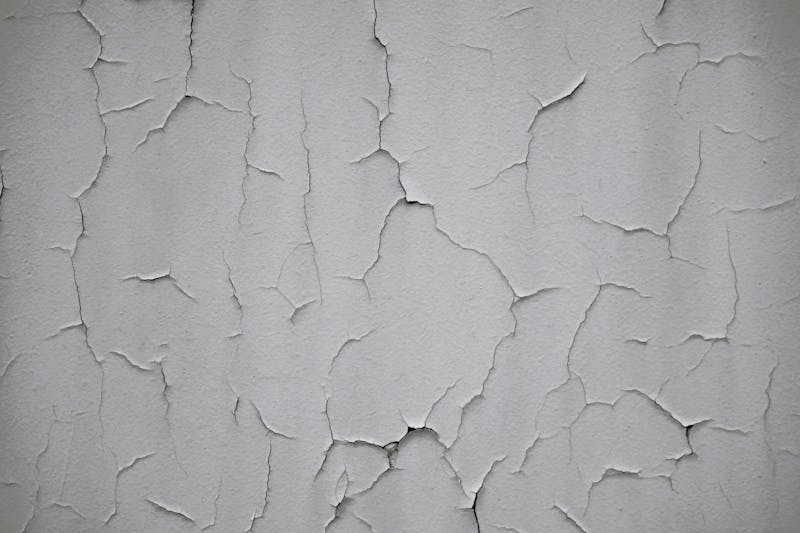
How Concrete Fails in El Paso
Concrete repair in El Paso covers everything from hairline surface cracks that are purely cosmetic to structural failures that affect the safety of a building. The desert climate, expansive clay soils, and thermal extremes across the region put residential and commercial concrete under stress that more temperate places simply do not produce. Driveways crack. Patios settle. Slabs heave. The specifics of the damage determine the right repair approach, and getting that diagnosis right matters more than the repair technique itself.
Not every crack means tearout. And not every surface problem is cosmetic.
Types of Concrete Damage
Concrete in arid climates fails in fairly predictable ways. Knowing what you are looking at helps determine whether repair, resurfacing, or replacement is the appropriate response.
Cracking
Cracks are the most common form of concrete damage and fall into a few categories:
- Hairline cracks, typically less than 1/8 inch wide, caused by shrinkage during curing or minor thermal movement. Usually cosmetic at the outset, though they admit moisture over time and can progress.
- Structural cracks, wider and deeper, often diagonal or stair-stepping. These indicate movement beneath the slab, whether from settling, heaving, or lateral pressure from expanding soil. Surface patching alone will not resolve them.
- Control joint cracks, which form along tooled or sawed joints. These are intentional weak points designed to direct cracking to predictable locations. When they stay within the joints, they are doing exactly what they were designed to do.
Spalling
Spalling is the flaking, chipping, or peeling of the concrete surface layer. In El Paso, it results from a combination of UV exposure, thermal cycling, and moisture that worked its way in through surface pores or cracks. Concrete that was poorly finished or never sealed is particularly vulnerable. Spalling does not always mean the slab has structural problems, but it accelerates deterioration if left alone because each season exposes a little more of the interior to the same forces that damaged the surface.
Settling and Sinking
When soil beneath a slab compresses, erodes, or dries out and contracts, the concrete above it drops. This creates uneven surfaces, trip hazards, and in more serious cases, structural stress on connected sections. Concrete leveling can often correct settling without removing the existing slab, which saves both time and money.
Heaving
The opposite of settling. When expansive clay absorbs moisture and swells, it pushes concrete upward. Heaving is particularly common in El Paso after monsoon rains follow an extended dry period, sometimes lifting a slab section by an inch or more in a matter of weeks. The slab lifts at one point while adjacent sections stay put, creating lips, cracks, and surfaces that no longer drain correctly.
Repair Methods
Crack Filling and Sealing
For cracks that are stable and not actively widening, filling restores the surface and prevents water infiltration. Flexible sealants accommodate minor thermal movement. Rigid epoxy fills bond the crack faces together and restore load transfer. The choice between the two comes down to whether the crack is dormant or still potentially active, and in El Paso’s thermal environment, that distinction is worth getting right.
Epoxy Injection
Epoxy injection treats structural cracks by forcing low-viscosity epoxy under pressure into the full depth of the break. The cured epoxy restores tensile strength across the crack plane, bonding the concrete back together at something close to the original capacity. This method is standard for foundation crack repair and slab cracks where structural integrity needs to be recovered.
Concrete Patching
Localized spalling, small pop-outs, and surface deterioration can be addressed with polymer-modified patching compounds. The patch material itself matters less than the surface preparation. Cleaning, removing loose material, and applying bonding agents are what determine whether a patch holds for years or peels off in a season.
Partial Slab Replacement
When damage is concentrated in one area but the surrounding concrete is sound, removing and replacing the affected section costs less than tearing out the full slab. Saw-cutting clean edges, matching existing thickness and reinforcement, and properly managing expansion joints at the interface between new and old concrete are what separate a lasting partial replacement from one that cracks at the seams within a year.
Full Replacement
Sometimes repair is not enough. If a slab has structural cracking across most of its area, severe settling in multiple sections, or reinforcement corrosion that has compromised the pour, replacement is the better investment. Full replacement includes subgrade preparation, proper compaction, reinforcement placement, and control joint planning, all designed to address the conditions that damaged the original concrete so the new pour does not follow the same path.
Resurfacing
For concrete that is structurally sound but cosmetically worn, concrete resurfacing applies a new surface layer over the existing slab. Polymer-modified overlays can add texture, color, and pattern while restoring a uniform appearance. Resurfacing makes sense when the base has good structural integrity but the surface has deteriorated from UV, wear, or age. Most overlays last 10 to 15 years with reasonable maintenance.
When to Repair vs. Replace
The decision comes down to three factors.
Structural integrity. If the slab’s reinforcement is sound and the base beneath it is stable, repair and resurfacing can extend its useful life by a decade or more. If the slab is broken into multiple disconnected pieces, heavily settled, or undermined by soil erosion, replacement is more reliable over the long term.
Extent of damage. Isolated cracks, localized settling, and surface spalling are repair candidates. Once damage covers more than roughly 30 to 40 percent of the slab area, the math starts favoring replacement. Repairing that much of a slab costs nearly as much as replacing it and does not deliver the same result.
Cause of damage. If the underlying cause, whether drainage problems, tree root intrusion, or an unstable subgrade, is not addressed, even new concrete will develop the same issues on roughly the same timeline. Any repair or replacement plan should account for what caused the failure in the first place.
Why Concrete Fails Faster Here
El Paso’s climate is hard on concrete in three specific ways that compound each other.
Thermal cycling. Daily temperature swings of 30 degrees or more cause concrete to expand and contract repeatedly. Over years, this fatigues the material and opens cracks, particularly at control joints and edges. Exposed concrete surface temperatures in summer can exceed 150 degrees, which means the thermal stress on the top inch of the slab is significantly greater than what the bottom experiences. That differential is what causes curling and surface cracking.
Expansive soil. Clay-heavy soils across much of El Paso swell when wet and shrink when dry. This creates uneven support beneath slabs and generates differential movement that concrete is not designed to absorb. The soil does not move uniformly. One section under a driveway may swell while the adjacent section stays dry and contracted, and the slab above has to deal with both.
Low humidity and rapid evaporation. The arid conditions draw moisture out of curing concrete quickly, which can cause surface crazing and reduced surface strength if curing is not managed carefully. Existing concrete also loses moisture over time, becoming more brittle and crack-prone with age. A slab poured 20 years ago in El Paso is drier and more rigid than the same slab would be in Houston or Dallas.
Get an Assessment
Concrete damage is easier and less expensive to fix when it is caught early. A crack that takes $200 to seal today can become a $3,000 section replacement next year if water penetrates the subgrade and the soil goes through another wet-dry cycle.
We provide free assessments for all types of concrete damage across El Paso. No obligation, no pressure. Just a clear picture of what is happening and what the options are.
Schedule your free concrete repair estimate or call (915) XXX-XXXX.
Frequently Asked Questions
What types of concrete damage can be repaired?
Most concrete damage can be repaired rather than replaced. Cracks, both cosmetic and structural, can be filled, sealed, or injected with epoxy. Spalling surfaces can be patched or resurfaced. Settled concrete can be leveled through mudjacking or foam injection. Full replacement is typically reserved for slabs with extensive structural cracking, corroded reinforcement, or subgrades that have failed across a wide area.
When should concrete be repaired vs. replaced?
Repair makes sense when the slab is structurally sound and the damage is localized. Replacement is the better path when damage exceeds about 30 to 40 percent of the slab area, the reinforcement is corroded, or the subgrade has failed. Either way, addressing the cause of the damage matters as much as addressing the damage itself.
What causes concrete to crack in El Paso?
Thermal cycling (daily temperature swings that expand and contract the concrete), expansive clay soil (which swells and shrinks with moisture changes), and age-related brittleness. El Paso’s climate accelerates all three compared to regions with milder conditions and more stable soils, which is why concrete here tends to need attention sooner than the same mix would elsewhere.
How much does concrete crack repair cost?
Costs vary with the type and extent of damage. Simple crack sealing runs a few hundred dollars. Epoxy injection for structural cracks costs more, typically $500 to $1,500 depending on length and access. Partial slab replacement ranges higher based on the area involved. A free assessment provides an accurate scope and number for your situation.
How long does a concrete repair last?
A properly executed repair with appropriate materials should last many years. Structural epoxy injection restores load capacity across the crack. Resurfacing overlays typically last 10 to 15 years with maintenance. The longevity of any repair depends heavily on whether the underlying cause (drainage, soil conditions, structural loads) was addressed along with the visible damage.