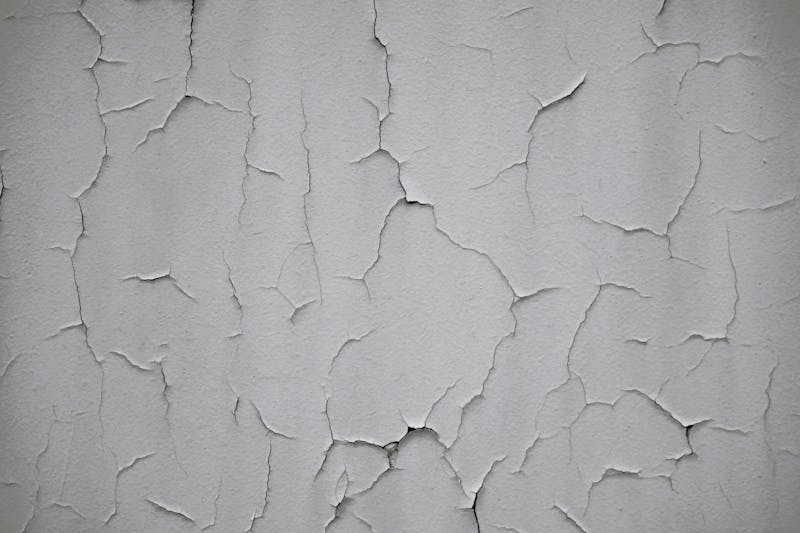
Cracked, sunken, or deteriorating concrete puts every property owner in front of the same question: fix it or tear it out and start fresh. Getting it wrong costs money either direction. Repair something that should have been replaced and you will pay again in a few years. Replace something that only needed repair and you have spent three to five times what was necessary. Neither outcome is pleasant.
This guide covers how to make that call, with attention to El Paso conditions where soil, climate, and sun exposure all influence how concrete ages and which option makes financial sense.
The Cost Comparison
Cost is usually the first thing people look at, and the numbers generally favor repair when the concrete can support it.
Concrete repair typically costs 25% to 40% of full replacement. For a standard two-car driveway in El Paso, professional repair might run $800 to $3,000, while full replacement costs $4,000 to $8,000.
Resurfacing applies a new surface layer over structurally sound concrete. For a patio or driveway, resurfacing runs $3 to $7 per square foot versus $8 to $15 per square foot for replacement.
| Application | Repair Cost | Replacement Cost | Savings |
|---|---|---|---|
| Driveway (400 sq ft) | $800-$3,000 | $4,000-$8,000 | 50-80% |
| Patio (200 sq ft) | $500-$1,800 | $2,000-$4,500 | 60-75% |
| Sidewalk (100 sq ft) | $300-$1,200 | $1,200-$2,500 | 50-75% |
| Garage slab | $1,000-$3,500 | $5,000-$10,000 | 65-80% |
When Repair Makes Sense
Repair is the right choice when the damage is contained, the underlying cause is addressable, and the remaining concrete is structurally sound.
Surface cracks under 1/4 inch wide. These respond well to crack injection, routing and sealing, or overlay. If cracks are stable and slab sections sit at the same elevation, structural integrity is intact.
Isolated settlement under 2 inches. When a single panel has sunk but the concrete itself is not badly cracked, leveling lifts it back to grade without demolition. This is one of the higher-ROI repair scenarios, particularly for driveway repair where a sunken panel creates trip hazards and water pooling.
Surface deterioration without structural compromise. Spalling, scaling, and pitting affect the top layer but leave the underlying slab intact. Resurfacing adds 10 to 15 years of service life at a fraction of replacement cost.
Localized damage to less than 25% of total area. Partial repair or section replacement is far more economical than tearing out the entire installation.
When Replacement Is the Better Investment
Widespread cracking across more than 50% of the surface. When cracks are everywhere and sections are moving independently, the slab has lost structural continuity. Repair at that point is just holding pieces together.
Settlement exceeding 2 to 3 inches with an ongoing cause. If the soil is still actively shifting without mitigation, leveling provides temporary relief but the movement will recur.
Rebar corrosion and delamination. When moisture corrodes embedded reinforcement, the concrete pushes apart from the inside. A hollow sound when you tap the surface is the telltale sign.
Concrete past its service life. Residential concrete is designed for 25 to 50 years. A slab that has served 40-plus years in El Paso’s conditions may be past the point where repairs deliver meaningful additional lifespan.
ROI Analysis
Cost per year of service life. A $1,500 repair that extends a driveway’s life by 8 years costs $188 per year. A $6,000 replacement that provides 30 years costs $200 per year. Repair is often the better per-year value and delays the larger capital outlay.
Property value impact. A repaired surface in good functional condition has minimal negative impact on property value. If you are selling within a few years, targeted repair that makes the surface presentable may deliver a better return than full replacement.
Disruption cost. Full replacement involves demolition, haul-off, grading, forming, pouring, and curing. Your driveway will be unusable for a week or more. Repair and leveling are typically completed in hours or a single day, which matters more than people tend to expect.
El Paso-Specific Factors
Soil Movement Is Ongoing
El Paso’s expansive clay soils mean the subgrade beneath your concrete is not static. A new driveway poured on unmitigated expansive clay will eventually develop the same problems the old one had. If the soil condition is not addressed during replacement, you have simply reset the clock. This is why repair combined with soil mitigation is a particularly strong strategy here.
UV and Heat Degradation
El Paso’s solar radiation and surface temperatures exceeding 150 degrees Fahrenheit accelerate surface degradation. Resurfacing renews the sacrificial wear surface while preserving the structural concrete beneath, making it an especially useful approach in this climate.
Caliche Subgrade
Properties on the West Side and foothills often sit on caliche, a calcium carbonate hardpan that provides good bearing capacity but is difficult to excavate. Replacement projects on caliche cost more because of demolition difficulty, which makes repair even more cost-advantaged on these sites.
Decision Checklist
Is the damage structural or cosmetic? Cosmetic damage favors repair. Structural damage requires professional evaluation before deciding.
Is the damage localized or widespread? Under 25% almost always favors repair. Above 50%, replacement becomes more practical.
Is the underlying cause resolved? If the cause (poor drainage, plumbing leak, tree roots) is still active, address it first regardless of which direction you go.
How old is the concrete? Under 20 years with moderate damage is a strong repair candidate. Over 40 years with widespread issues may have reached its useful life.
What is your time horizon? Staying 10-plus years may justify replacement. Selling within 5 years makes targeted repair the smarter investment.
El Paso Concrete Repair Experts evaluates your concrete’s condition and gives you an honest assessment of whether repair or replacement makes more sense for your situation. Request a free estimate and get a recommendation based on what your concrete actually needs.
Frequently Asked Questions
How long does repaired concrete last compared to new concrete?
A properly executed crack repair or leveling job on sound concrete can last 8 to 15 years or longer. Resurfacing typically adds 10 to 15 years. New concrete on a well-prepared subgrade is designed for 25 to 50 years. The variable that matters most in El Paso is the subgrade. New concrete on poorly prepared soil will underperform repaired concrete on stable, well-drained soil.
Is it worth resurfacing a concrete driveway instead of replacing it?
Resurfacing works well when the existing slab is structurally sound, reasonably level, and free of deep structural cracks. It costs roughly one-third to one-half of replacement and can meaningfully improve both appearance and durability. It is not appropriate when the slab has significant settlement or subgrade instability. A qualified contractor can assess whether your slab is a good candidate for resurfacing.
Should I repair or replace a cracked patio in El Paso?
For most El Paso patios with moderate cracking, repair is the cost-effective choice. Patios carry no vehicle loads and have lower structural demands, so even moderately cracked patios can be successfully repaired and resurfaced. The exception is a patio with severe heaving or settlement from expansive clay, where slab sections have moved significantly relative to each other.
Does repairing concrete affect home resale value?
Professional concrete repair has a positive effect on resale value by eliminating visible damage and addressing trip hazards. Buyers and inspectors evaluate current condition, not whether surfaces have been repaired or replaced. What hurts resale value is visible, unaddressed damage that signals neglect.